The Benefits of Using a Tennis Ball Machine for Practice
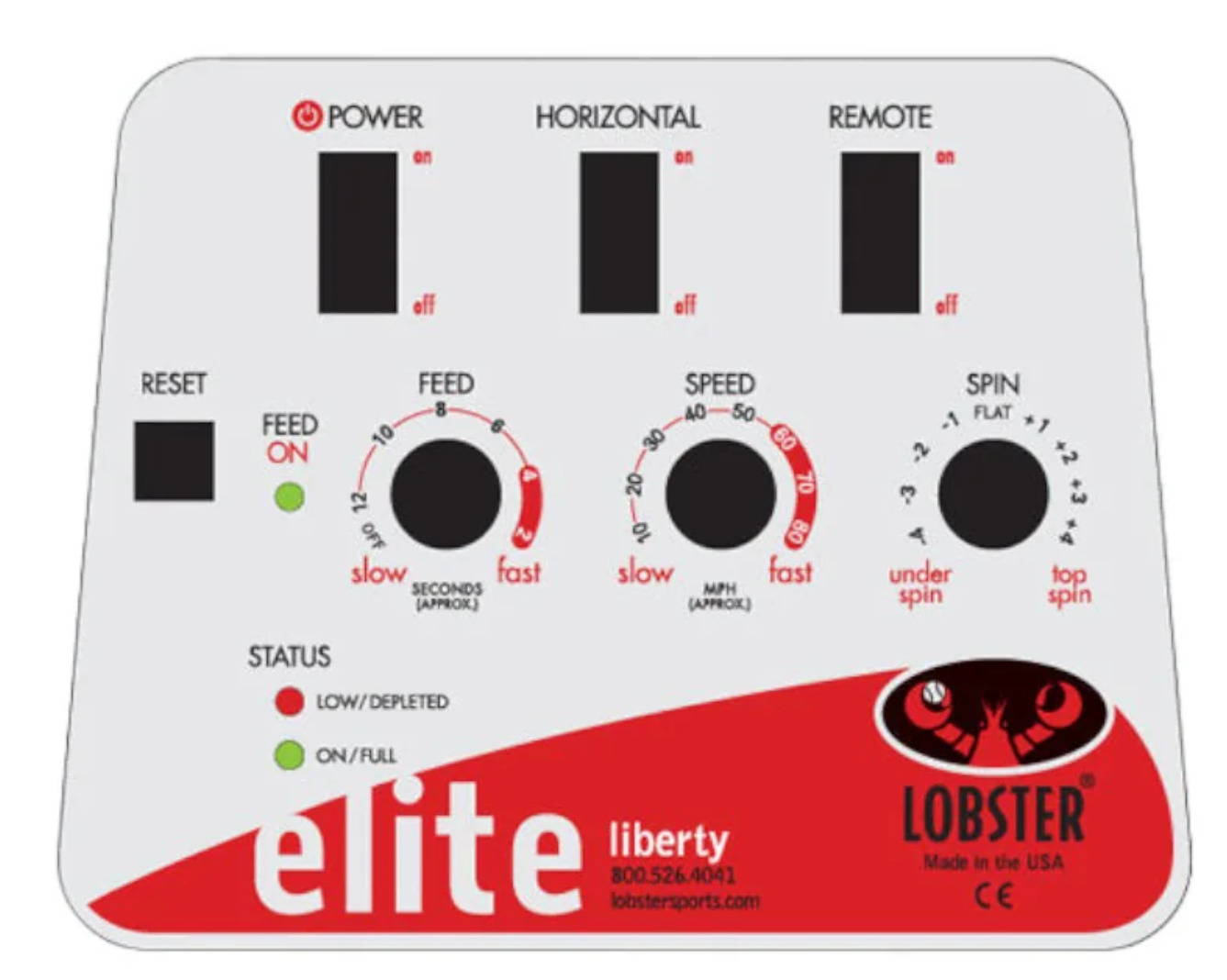
Whether you're a beginner learning the fundamentals or an advanced player fine-tuning your technique, tennis ball machines offer unmatched consistency and versatility for practice sessions. Modern machines come equipped with adjustable features that allow you to customize every aspect of your training.
Key Features That Transform Your Training
1. Speed Control
Adjustable speed settings are essential for progressive training. Start slow to master proper form and footwork, then gradually increase the pace to challenge your reaction time and shot preparation.
- Beginner drills: Low speeds (40-60 km/h) help you focus on technique, grip, and swing path without rushing
- Intermediate practice: Medium speeds (60-80 km/h) simulate rally pace and improve consistency
- Advanced training: High speeds (80-110+ km/h) replicate competitive conditions and sharpen reflexes
2. Spin Adjustment
The ability to add topspin or underspin to balls makes your practice sessions far more realistic. Different spins require different responses, helping you develop versatility.
- Topspin: Practice handling heavy topspin groundstrokes that bounce high and kick forward
- Backspin/Slice: Work on approaching low balls and mastering slice returns
- Flat shots: Train against penetrating, fast-paced drives that stay low
3. Horizontal Oscillation
Oscillation spreads balls across the court width, simulating real match scenarios where you need to cover ground and hit from different positions.
- Full-court coverage: Practice moving side-to-side and recovering to the center
- Crosscourt patterns: Work on hitting consistent angles and controlling direction
- Down-the-line shots: Train both forehand and backhand sides separately or in sequence
- Random mode: Keep you guessing and improve court awareness
4. Feed Rate Control
Adjust how frequently balls are delivered to match your training goals and fitness level.
- Slow feed (3-5 seconds): Allows time to reset, analyze each shot, and focus on perfect form
- Medium feed (2-3 seconds): Simulates realistic rally intervals for match-like practice
- Fast feed (1-2 seconds): Creates intense cardio workouts and tests mental toughness under pressure
5. Elevation Adjustment
Control the trajectory of balls to practice different shot types and court positions.
- Low trajectory: Train for return of serve and approach shots
- Medium height: Replicate standard baseline rallies
- High lobs: Practice overhead smashes and defensive positioning
- Drop shots: Work on net play and volley technique
Sample Drills Using These Features
Drill 1: Consistency Builder
Settings: Medium speed, light topspin, no oscillation, slow feed
Goal: Hit 20 consecutive forehands to the same target zone. Focus on clean contact and follow-through.
Drill 2: Footwork & Movement
Settings: Medium-fast speed, topspin, wide oscillation, medium feed
Goal: Move side-to-side efficiently, recover to center after each shot, and maintain balance.
Drill 3: Power & Reaction
Settings: High speed, flat shots, narrow oscillation, fast feed
Goal: Develop quick reflexes, shorten backswing for fast balls, and practice aggressive baseline play.
Drill 4: Approach Shot Practice
Settings: Medium speed, backspin, no oscillation, low elevation, slow feed
Goal: Hit deep approach shots and move forward to the net for volleys.
Drill 5: Endurance Challenge
Settings: Variable speed, topspin, full oscillation, medium-fast feed
Goal: Sustain rally-like conditions for 10-15 minutes to build stamina and mental focus.
Why Machines Beat Traditional Practice Partners
While hitting with a partner has its place, tennis ball machines offer several unique advantages:
- Unlimited consistency: Every ball delivered with identical spin, speed, and placement
- No scheduling conflicts: Practice whenever your court is available
- Objective feedback: Isolate weaknesses without ego or social pressure
- Repetition without fatigue: Hit hundreds of balls while your "partner" never tires
- Customizable intensity: Push yourself harder than any drill partner could sustain
Getting Started with Machine Practice
If you're new to using tennis ball machines, start with simple settings and gradually increase complexity:
- Begin with basics: Low speed, no spin, no oscillation. Focus purely on rhythm and form.
- Add one variable: Once comfortable, introduce either speed OR spin OR oscillation.
- Combine features: Mix speed with spin, or oscillation with varied feed rates.
- Challenge yourself: Use random modes and high-intensity settings to simulate match pressure.
Conclusion
Tennis ball machines are invaluable tools for players at every level. With features like adjustable speed, spin, oscillation, feed rate, and elevation, modern machines offer limitless training possibilities. Whether you're working on consistency, footwork, power, or match simulation, a tennis ball machine provides the controlled repetition needed to accelerate improvement.
Ready to experience the benefits for yourself? Book a session and discover how machine practice can transform your game.
Ready to Train Like a Pro?
Rent a premium tennis ball machine for your next practice session