Backhand Drills with a Tennis Ball Machine
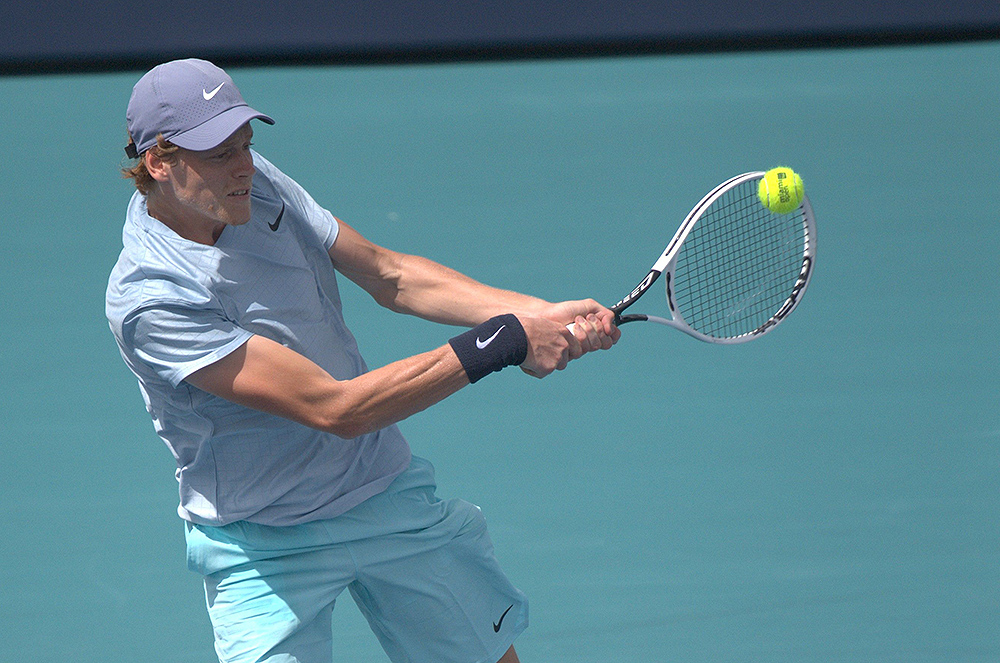
Most recreational players can rally forehands comfortably but lose confidence the moment rallies move to the backhand side. The issue is rarely just power. It is usually spacing, timing, and contact quality under movement. A tennis ball machine is perfect for solving this because it gives you repeatable feeds to one side so you can rehearse the same movement pattern until it becomes automatic.
This guide covers one-handed and two-handed backhand setups, specific machine settings, and progressive drills you can use in a 60-minute session. If you are still learning basic controls, begin with our tennis machine setup guide first.
Why the Backhand Breaks Down
- Late preparation: shoulders do not turn early enough.
- Poor spacing: contact point ends up too close to the body.
- Weak base: feet are not set before the swing begins.
- Rushed tempo: players swing harder instead of positioning better.
With a machine you can remove rally chaos and isolate each of these variables. That is the same principle used in our forehand correction drills.
Recommended Starter Settings
| Goal | Speed | Spin | Feed | Oscillation |
|---|---|---|---|---|
| Contact consistency | 35-45% | None or light topspin | Slow (4 sec) | Off |
| Movement and recovery | 45-60% | Light topspin | Medium (2-3 sec) | Narrow to medium |
| Match-pressure backhands | 60-75% | Topspin or mixed | Medium-fast | Medium or random |
Drill 1: Fixed Contact Point Drill
Place the machine to feed repeatedly to your backhand hip. Focus on early shoulder turn, stable base, and contact slightly in front. Hold your finish for one second after every shot to confirm balance.
- Work in sets of 20 balls.
- Reset if contact drifts behind your body.
- Track clean contacts, not winners.
Drill 2: Crosscourt Backhand Groove
Target crosscourt depth with moderate topspin. This is the safest backhand pattern in points and the easiest place to build confidence. Keep net clearance generous and prioritize repeatability.
- Set a cone target two meters inside baseline.
- Aim for 10 consecutive balls in the same lane.
- Add slight oscillation once consistency is stable.
Drill 3: Backhand Under Movement
Open oscillation to a narrow band that forces two or three adjustment steps each ball. Your goal is to arrive balanced, not rushed. Use split step timing before each feed and recover to neutral immediately after contact.
- Prioritize footwork rhythm over shot pace.
- Use a smaller backswing when pace increases.
- Stop if technique collapses; reduce speed and rebuild.
One-Handed vs Two-Handed Backhand Notes
One-Handed Backhand
Needs earlier preparation and better spacing. Keep your hitting arm relaxed and extend through contact. Start with slower feeds until timing is reliable.
Two-Handed Backhand
Usually more stable under pace. Focus on unit turn, leg drive, and clean rotation through contact. Avoid arming the shot with just your hands.
How to Structure a 60-Minute Backhand Session
- 10 min: warm-up with low pace, no oscillation.
- 15 min: fixed contact point drill.
- 15 min: crosscourt groove drill.
- 15 min: movement drill with oscillation.
- 5 min: cooldown and notes on what broke down.
If you are planning sessions weekly, compare packages on our rental rates page, and review machine capability details on our services page.
Final Takeaway
Backhand improvement is mostly a repetition problem with a movement-quality solution. Use structured machine feeds, stable progressions, and clear session goals. If you pair this with occasional coaching feedback, your backhand confidence in matches usually improves much faster than random rally practice.
Related Reading
Ready to Train Your Backhand with Repeatable Feeds?
Book a tennis machine rental session and use this drill plan on your next court practice.