Doubles Tennis Drills with a Ball Machine
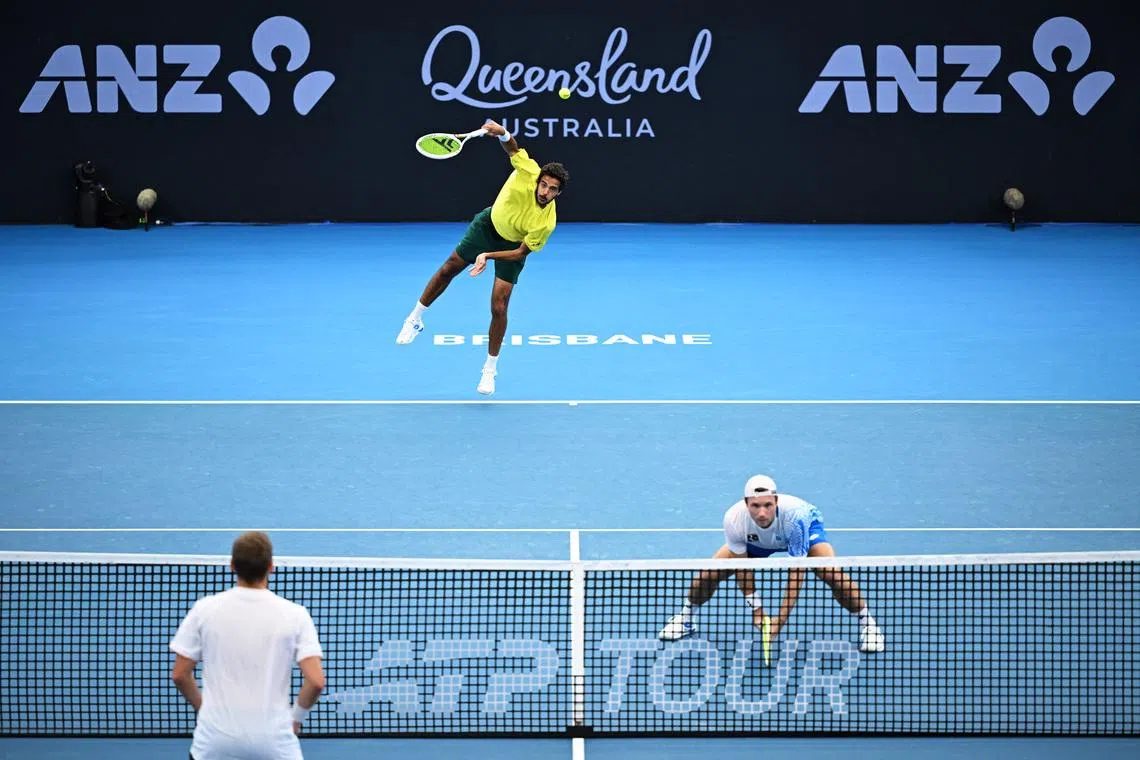
Most club tennis in Singapore is doubles, and almost none of it gets practised properly. Getting four players onto a court at the same time is hard enough; getting four players to run structured drills instead of playing sets is harder still. A tennis ball machine solves the scheduling problem outright — you can rehearse every doubles shot pattern on your own, at the exact repetition volume that actually changes a habit.
This guide covers the five drills that map most directly to doubles points, the machine settings for each, and how to sequence them into a single session. If you have never operated a machine before, read our beginner's guide to using a tennis ball machine first — the setup and safety basics apply unchanged at doubles distances.
Quick answer
You can train doubles alone by using a ball machine to reproduce the four shots that decide doubles points: the low first volley, the fast body ball, the lob over the net player, and the wide ball into the alley. Use lower elevation, a faster feed and narrower oscillation than baseline practice, and work in short blocks of 15–20 balls with full recovery. A one-hour session covers all five drills below.
Why Doubles Needs Different Machine Settings
Baseline practice trains a long, looping ball with time to prepare. Doubles trains the opposite: a short ball, arriving low and fast, with roughly half the reaction window. If you set the machine up the way you would for groundstrokes, you will practise the wrong problem. Three settings change:
- Elevation: lower, so balls arrive at or below net height rather than dropping from above.
- Feed rate: faster (3–4 seconds), because doubles exchanges happen in bursts, not rallies.
- Oscillation width: narrower, since you are covering half a court, not the full width.
Speed matters less than you would expect. A 50% feed arriving at your feet from six metres away is far harder than a 75% feed from the baseline. Check the full range of adjustments on our machine features page before your first doubles session.
Drill 1: The Low First Volley
The most common doubles shot nobody practises is the ball that lands at your shoelaces as you move in. Position the machine at the opposite service line, drop elevation until the feed arrives below net height, and start each rep from the service line moving forward.
- 3 × 15 balls, alternating forehand and backhand sides.
- Cue: "bend the knees, not the wrist." Get the racquet head below the ball with your legs.
- Target: deep and cross-court, not a winner. The first volley sets up the second.
Drill 2: Body-Ball Reflex Volleys
In a net exchange, the ball that beats you is aimed at your hip, not past you. Set a fast feed at moderate speed and stand inside the service box. The whole drill is learning to clear your hands from your body in time.
- 4 × 12 balls with a 3-second feed and full rest between sets.
- Cue: "hands out, short punch." No backswing at all.
- Default to the backhand volley when the ball comes straight at you — it is the faster escape.
This is the doubles application of the technique in our volley and net drills guide, run at a shorter distance and a tighter feed interval.
Drill 3: The Poach and Switch
Poaching is a movement skill more than a stroke skill. Start in the net position on one side, wait for the feed, then cross diagonally and take the ball in front of you. Finish the movement by continuing across to the other side — the switch is half the drill and the half most players skip.
- 3 × 10 poaches from each side.
- Cue: "diagonal forward, never sideways." Moving across the net line without closing gives your opponent the alley.
- Commit fully. A half-poach is worse than no poach.
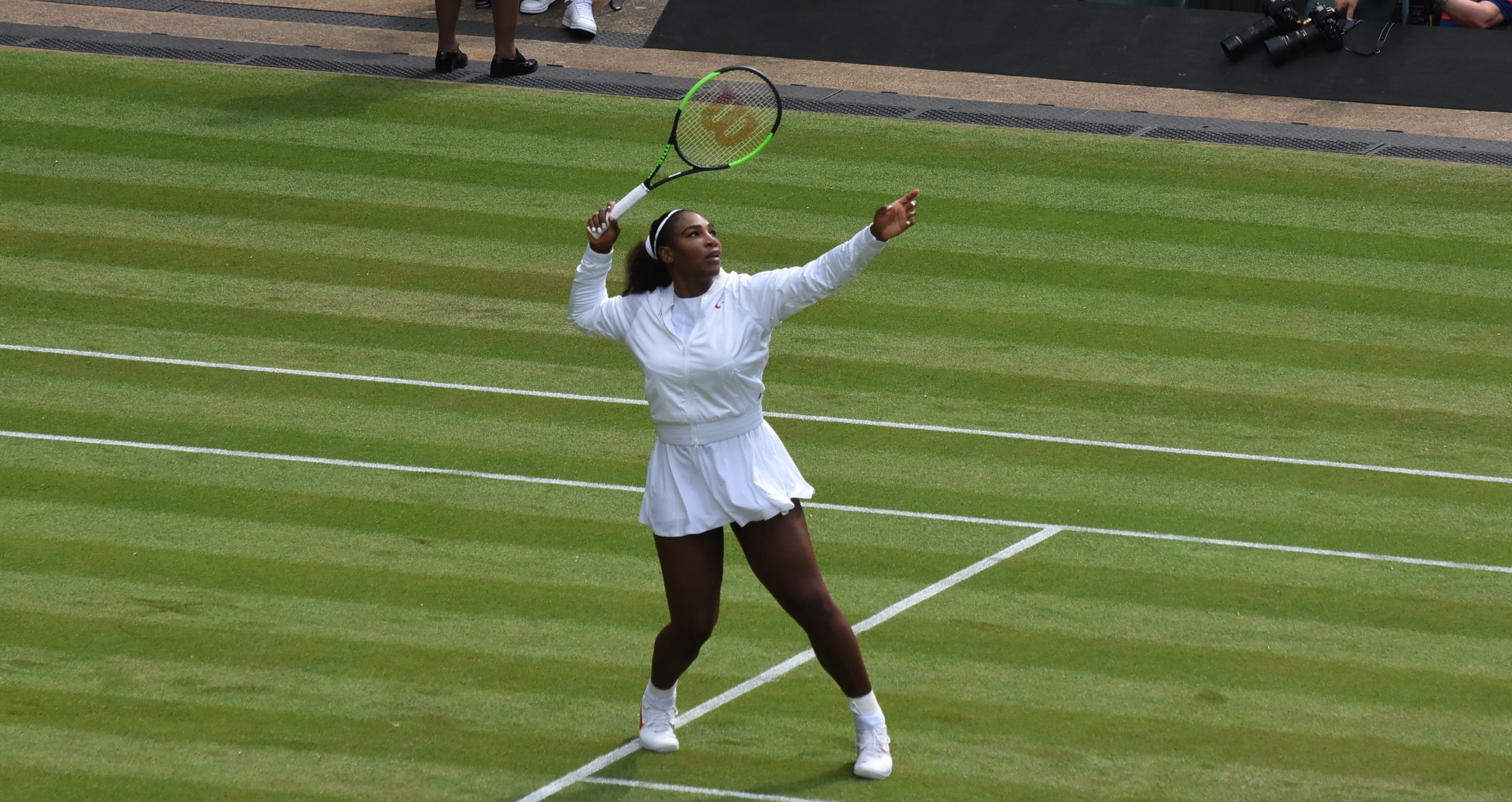
Drill 4: Lob Defence and the Overhead
Raise elevation to its highest setting and slow the feed right down. Every rep starts from the net position: turn, move back with a crossover step, and hit the overhead — or, when the lob is too deep, let it bounce and recover. Deciding between those two responses is the actual skill.
- 4 × 8 lobs. Stop early — overheads fatigue the shoulder faster than any other shot.
- Cue: "turn and go, point at the ball."
- Never backpedal facing the net. Turn sideways and use crossover steps.
Drill 5: Alley Coverage Under Pressure
Turn on narrow oscillation so feeds alternate between the middle and the alley. You now have to hold your net position, read the direction, and cover the line without over-committing. This is the drill that exposes players who guess instead of react.
- 3 × 15 balls with narrow random oscillation.
- Cue: "read first, step second."
- Score yourself: any ball you have to lunge for was a positioning error, not a reflex failure.
Recommended Settings Summary
| Drill | Speed | Elevation | Feed | Oscillation |
|---|---|---|---|---|
| Low first volley | 45-55% | Low | Medium (4s) | Off |
| Body-ball reflex | 50-60% | Low-medium | Fast (3s) | Off |
| Poach and switch | 45-55% | Medium | Slow (5s) | Off |
| Lob defence | 40-50% | High | Slow (6s) | Off |
| Alley coverage | 50-60% | Low-medium | Medium (4s) | Narrow random |
A 60-Minute Solo Doubles Session
Ten minutes of easy groundstrokes to warm up, then 12 minutes on the low first volley, 10 minutes of body-ball reflexes, 12 minutes of poach and switch, 8 minutes of lob defence, and finish with 8 minutes of alley coverage. That fits comfortably inside a one-hour rental and covers every shot a doubles point can ask of you.
What a Machine Cannot Teach You
Be honest about the limits. A machine will not teach you when to call "switch", how to read your partner's body position, or how to manage a partner having a bad day. Those are match skills, learned in matches. What the machine gives you is the technical and physical foundation so that when your partner does poach, you are already moving instead of watching. Our comparison of ball machine practice versus private lessons covers the same trade-off in more detail.
Fitting Doubles Work Into Your Training Week
One doubles-focused machine session a week is enough to change how you play at the net within a month. Slot it beside the groundstroke blocks in our 4-week ball machine training plan, and pick a venue with room behind the baseline using our roundup of the best tennis courts in Singapore for ball machine practice. Machines are available from our 24/7 self-service smart lockers — see rental pricing for hourly and daily rates.
Frequently Asked Questions
Can you practise doubles tennis alone with a ball machine?
Yes. A tennis ball machine reproduces the four shots that decide most doubles points: the low ball at your feet after a serve return, the fast body ball in a net exchange, the lob over your partner's head, and the wide ball that pulls you off the alley. You cannot rehearse partner communication alone, but you can groove every stroke and movement pattern that communication is supposed to trigger.
What machine settings suit doubles practice?
Doubles is played closer to the net and at shorter reaction times, so use lower elevation and a faster feed than baseline practice. A typical setup is 45-60% speed, low to medium elevation, a 3-4 second feed for reflex work, and narrow oscillation to simulate balls travelling across the net line. The machines Tennis Machine SG rents adjust speed from 15 to 110 km/h, plus spin, feed rate and oscillation.
How long should a solo doubles session be?
Sixty minutes is enough. Net-position drills are short, sharp and physically demanding, so most players work in blocks of 15-20 balls with full recovery in between rather than hitting continuously. Tennis Machine SG rents machines for one hour at S$35 and two hours at S$50 from its 24/7 self-service smart lockers.
Is doubles practice with a ball machine useful for singles players?
Yes. Doubles drills build first-volley control, reaction speed and overhead reliability, all of which transfer directly to singles net play and to finishing short balls. Many singles players use doubles-style machine blocks specifically to fix a weak transition game.
Do I need a partner to run these drills?
No. Every drill in this guide is designed for one player and one machine. If a partner is available, one player can stand in the partner position while the other drills, which adds realistic court-coverage pressure without changing any machine setting.
Related Reading
Practise Doubles Without Three Other People
Rent a tennis ball machine in Singapore and drill the net game that decides your club matches.