Underused Condo Tennis Court? 7 Ways Singapore Estates Can Get More From It
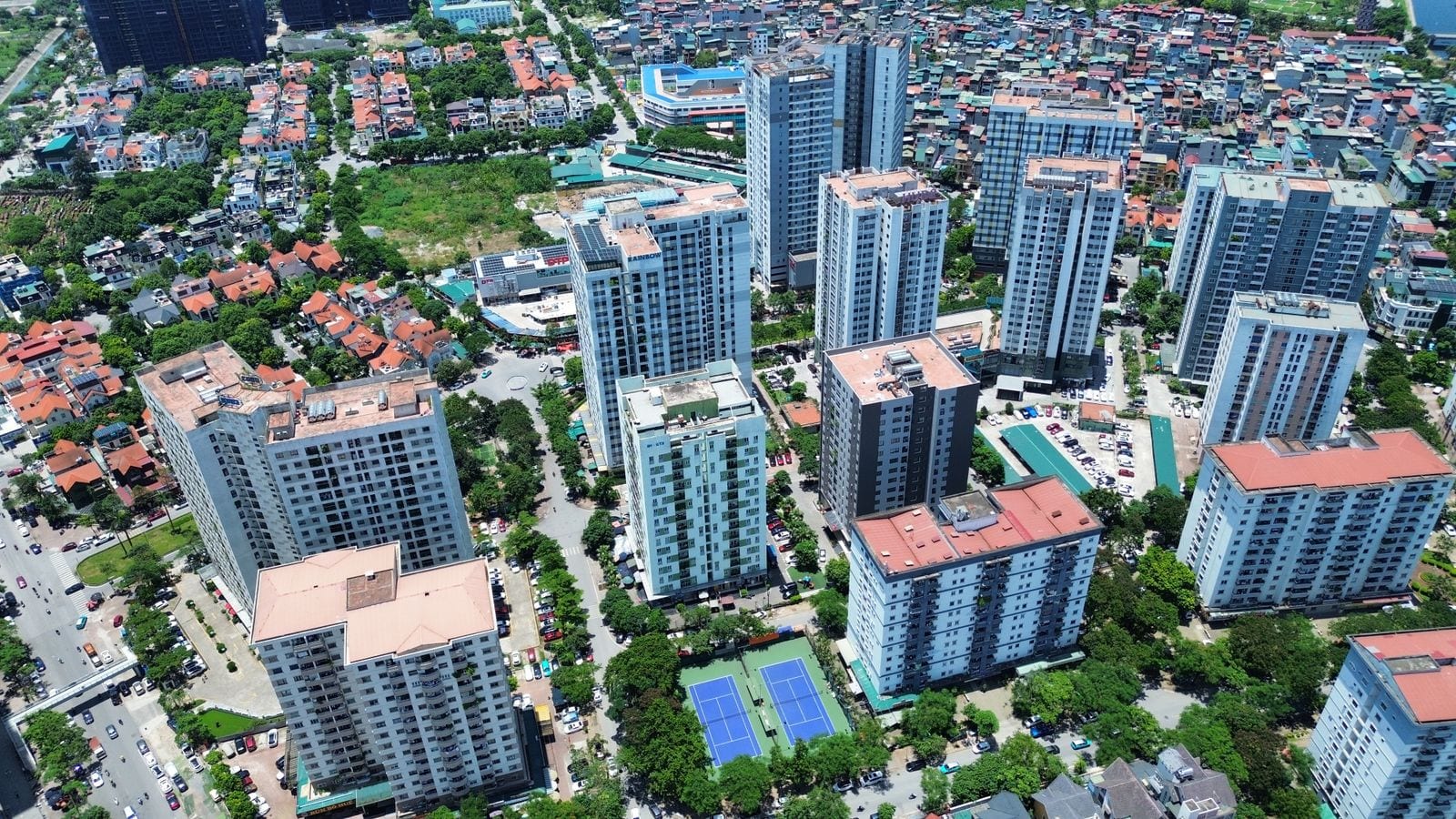
In many estates the tennis court is booked solid on Saturday morning and empty for most of the week. The court costs the same to resurface, light and maintain either way, so an underused court is a facility the management fund is paying for and residents are not getting.
The fixes are rarely expensive. Below are seven ideas a council or managing agent can act on, roughly in the order we would try them. The last one is ours — a self-service ball machine — and we have put it last on purpose: it works best alongside the others. Councils weighing that option in detail should read buy, rent or host: a ball machine for your condo or club.
Quick answer
A condo tennis court is usually underused because residents lack a hitting partner or a convenient slot, not because nobody wants to play. Councils can raise usage by measuring real booking data, fixing booking rules that lock slots up, inviting a coach for resident clinics, starting a junior programme, running social formats such as round robins, considering shared pickleball lines with care, and adding a self-service ball machine — such as Tennis Machine SG's Smart Tennis Hub, which costs the estate nothing and pays the MCST a monthly rental, indicatively from S$60.
1. Measure how the court is actually used
Start with the booking log, not anecdotes. Most facility booking systems can export a month of bookings, and an hour with that file answers more than a year of complaints at the AGM. Look for four things:
- Hours booked against hours available, split into weekday mornings, weekday daytime, weekday evenings and weekends.
- How concentrated bookings are: if a handful of units hold most of the peak slots, the problem is access, not demand.
- Slots booked but not played: security can spot-check a few evenings, and residents will tell you.
- Who never books: a short resident survey finds the players who gave up — the ones the other six ideas are for.
2. Fix the booking rules that keep courts empty
Booking rules written to stop disputes often end up locking slots away. A cap on peak bookings per unit per week, releasing a slot to others if it isn't checked in within fifteen minutes, and shorter one-hour slots at off-peak times all spread the court across more households. Most of these are changes to facility booking rules rather than to the estate's by-laws, but your managing agent can confirm who approves them.
3. Bring in a coach for resident clinics
A weekly group clinic at a quiet hour turns a few lapsed players into regulars. Many estates already let residents bring their own coach; the version that adds usage is a fixed group clinic — four to six residents, one off-peak slot a week — that residents pay the coach for directly. The estate's only job is agreeing which coaches may teach on the court, and when.
4. Start a junior programme
After-school hours are exactly when courts sit empty and children are home. A junior clinic run by a coach and paid for by parents fills the 4pm to 6pm window that adults rarely book, and young players who start in the estate tend to keep playing there. Our parent's guide to junior ball machine training covers how practice between lessons helps.
5. Run social formats
A monthly round robin, a challenge ladder or a doubles social gives residents who don't know each other a reason to turn up — and, once they have met, a hitting partner for the other days. These run on a volunteer and a residents' chat group; all the council needs to do is set aside a court slot once a month. Our doubles drills guide has warm-up formats that work for mixed abilities.
6. Consider shared pickleball lines — carefully
Pickleball lines can be painted on a tennis court so both sports share it, and in some estates that is what fills the court. But extra lines clutter the court for tennis players, and pickleball paddles are noticeably louder than tennis racquets — which matters when blocks overlook the court. Survey residents first, and trial removable lines before painting permanent ones.
7. Add a self-service ball machine
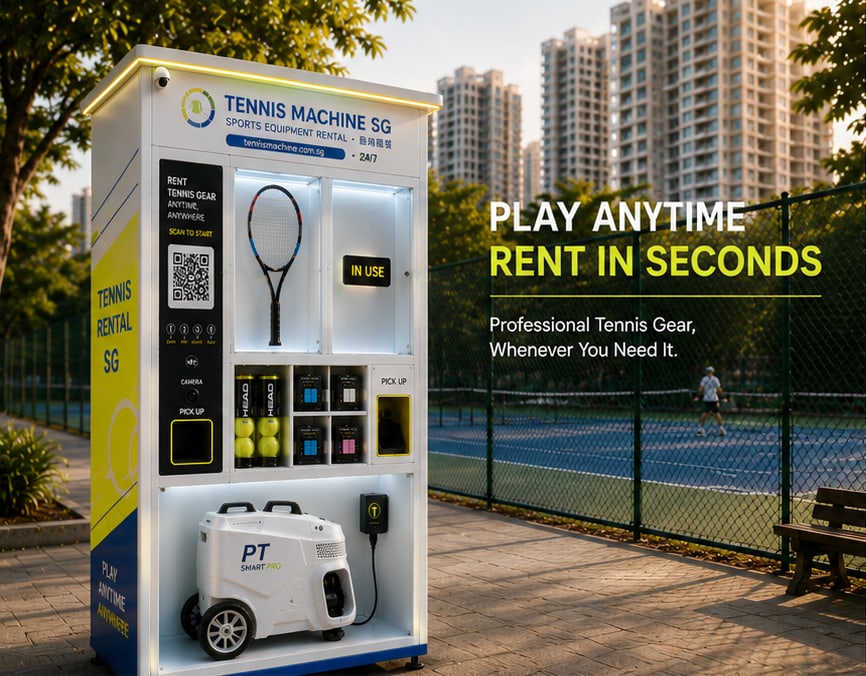
The most common reason a resident doesn't book the court is that they have nobody to play with. A ball machine is that partner. Tennis Machine SG's Smart Tennis Hub for condominiums is a weather-sealed locker beside the court holding a professional ball machine — see the machine's features — with 130+ balls, a cart and a ball picker. Residents book, pay and unlock it from their phones; nobody on the estate's side runs anything.
It costs the estate nothing. Tennis Machine SG funds, insures and services it, handles every payment and support query, and pays the management fund a monthly rental, indicatively from S$60. Residents still need a court booking under the estate's rules to use it, so it adds play without taking slots from anyone — and because weekday daytime is hot, the solo early-morning and evening sessions it enables are often the ones that fill the quiet hours. (Our guide to training in Singapore heat and humidity explains why those windows matter.) Residents pay per session, at rates like those on our pricing page.
The seven ideas at a glance
| Idea | Cost to the estate | Work for the council or MA | Who it brings onto the court |
|---|---|---|---|
| Measure usage | None | An hour with the booking export | Nobody yet — it tells you which of the rest to try |
| Fix booking rules | None | A rules change | Residents squeezed out of peak slots |
| Resident clinics | None — residents pay the coach | Agreeing which coaches may teach | Beginners and lapsed players |
| Junior programme | None — parents pay | Setting aside a weekday slot | Children, after school |
| Social formats | Minimal | One monthly slot; a volunteer runs it | Social players looking for partners |
| Pickleball lines | Line marking | A survey and a trial | Pickleball players, sharing the court |
| Self-service ball machine | None — it earns a monthly rental | Approving a short licence | Solo players without a partner |
Frequently asked questions
Why are condo tennis courts often underused?
A condo tennis court is usually underused because residents lack a hitting partner or a convenient slot, not because nobody wants to play. Peak evening and weekend slots are taken by the same few regulars, weekday daytime is hot, and a resident who plays alone has nothing to do on a court by themselves. Fixing booking rules, organising group play and adding a self-service ball machine each address a different one of these causes.
How can a condo increase tennis court usage without spending money?
A condominium can raise tennis court usage at no cost by tightening booking rules so unused slots are released, letting a coach run paid group clinics for residents at off-peak times, starting a junior programme paid for by parents, supporting a residents' group that runs social round robins, and hosting a self-service ball machine such as Tennis Machine SG's Smart Tennis Hub, which costs the estate nothing and pays the MCST a monthly rental.
Can an MCST earn income from its tennis court?
Yes, modestly. Tennis Machine SG installs a Smart Tennis Hub — a self-service tennis ball machine locker — beside a condominium tennis court at no cost to the estate, and pays the MCST a fixed monthly rental, indicatively from S$60, or a base rental plus a share of the revenue it generates. Residents still book the court itself under the estate's existing rules.
Should a condo add pickleball lines to its tennis court?
Shared pickleball lines let both sports use one court, but they clutter the court for tennis players and pickleball paddles are noticeably louder than tennis racquets, which matters for blocks overlooking the court. A condominium council considering it should survey residents and trial removable lines before painting permanent ones.
Related Reading
A ball machine for your estate's court
No cost to the estate, nothing for the managing agent to run, and a monthly rental to the management fund.