Getting Back Into Tennis After Years Away: A Ball Machine Comeback Plan
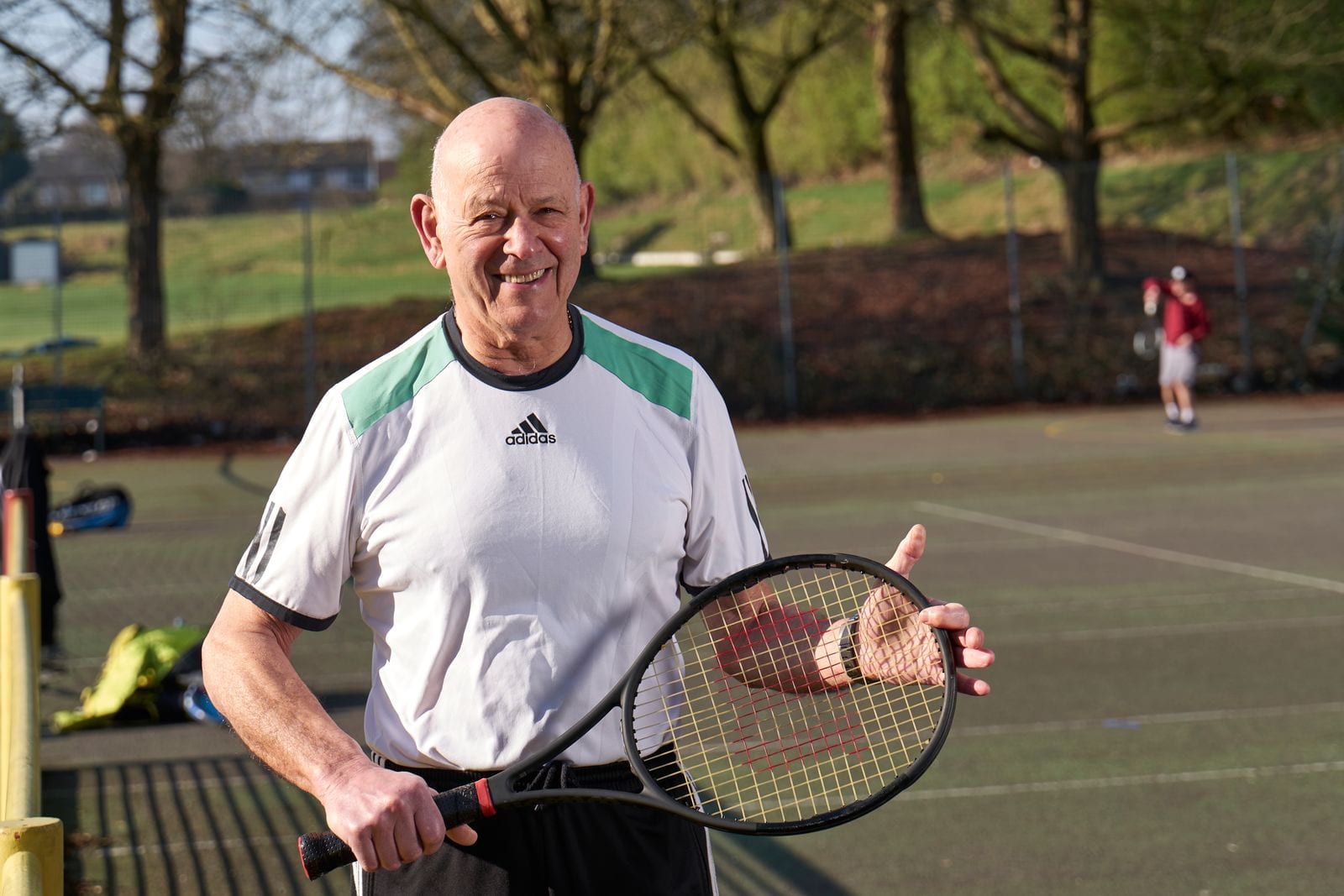
You played at school, or at university, or for a few good years in your twenties. Then work, a move, children or simply life got in the way, and the racquet went into a cupboard. Now you want to play again, and the first session back usually goes surprisingly well. It is the second and third sessions that go wrong — sore calves, an aching elbow, a shoulder that complains when you serve — because your strokes came back faster than your body did.
This guide is for adults returning to tennis after years away. It covers what returns quickly and what does not, the kit worth checking before you step on court, how to run your first three sessions, and a six-week ramp that gets you to playing sets without breaking down on the way. A ball machine is the backbone of the plan, because it lets you choose exactly how fast, how often and how many balls arrive. If you have never operated one, read our beginner's guide to using a tennis ball machine first.
Quick answer
Getting back into tennis after years away works best as a six-week ramp: two sessions a week, slow and predictable ball-machine feeds for the first three sessions, and hitting time that rises by no more than about ten percent a week. Stroke technique comes back quickly because well-learned motor skills are retained for years; timing, footwork, and the tolerance of your tendons and calves come back slowly, and those are what get injured. Tennis Machine SG machines start at 15 km/h and rent from S$35 an hour, so a returner can rebuild at their own pace without a hitting partner.
What Comes Back Fast, and What Does Not
Your stroke shapes come back within a few sessions; your tendons, calves and match fitness take weeks to months. Motor memory — the stored pattern of a movement you practised thousands of times — is remarkably durable, which is why a forehand you have not hit in ten years still looks like your forehand. The mismatch between the two timelines is the single most important thing for a returning player to understand.
| Capacity | How fast it returns | What it means for you |
|---|---|---|
| Stroke shape | Within a few sessions | You will feel ready long before you are. Do not let the swing set the pace. |
| Timing and ball-reading | A few weeks | Late contact and mistimed balls are normal early on; slow feeds fix this fastest. |
| Footwork and split-step | Several weeks | Your feet will lag your hands. Add movement drills only from week three. |
| Match fitness | Weeks to months | A 90-minute set is a different demand from a 30-minute hit. Build to it. |
| Tendon and calf tolerance | Slowest — months | The limiting factor. It is where comeback injuries happen, and it gives little warning. |
Before Your First Session: Check the Kit
Check your strings and your shoes before anything else; a racquet that has sat in a cupboard is usually fine, but what is strung in it and what is on your feet often are not.
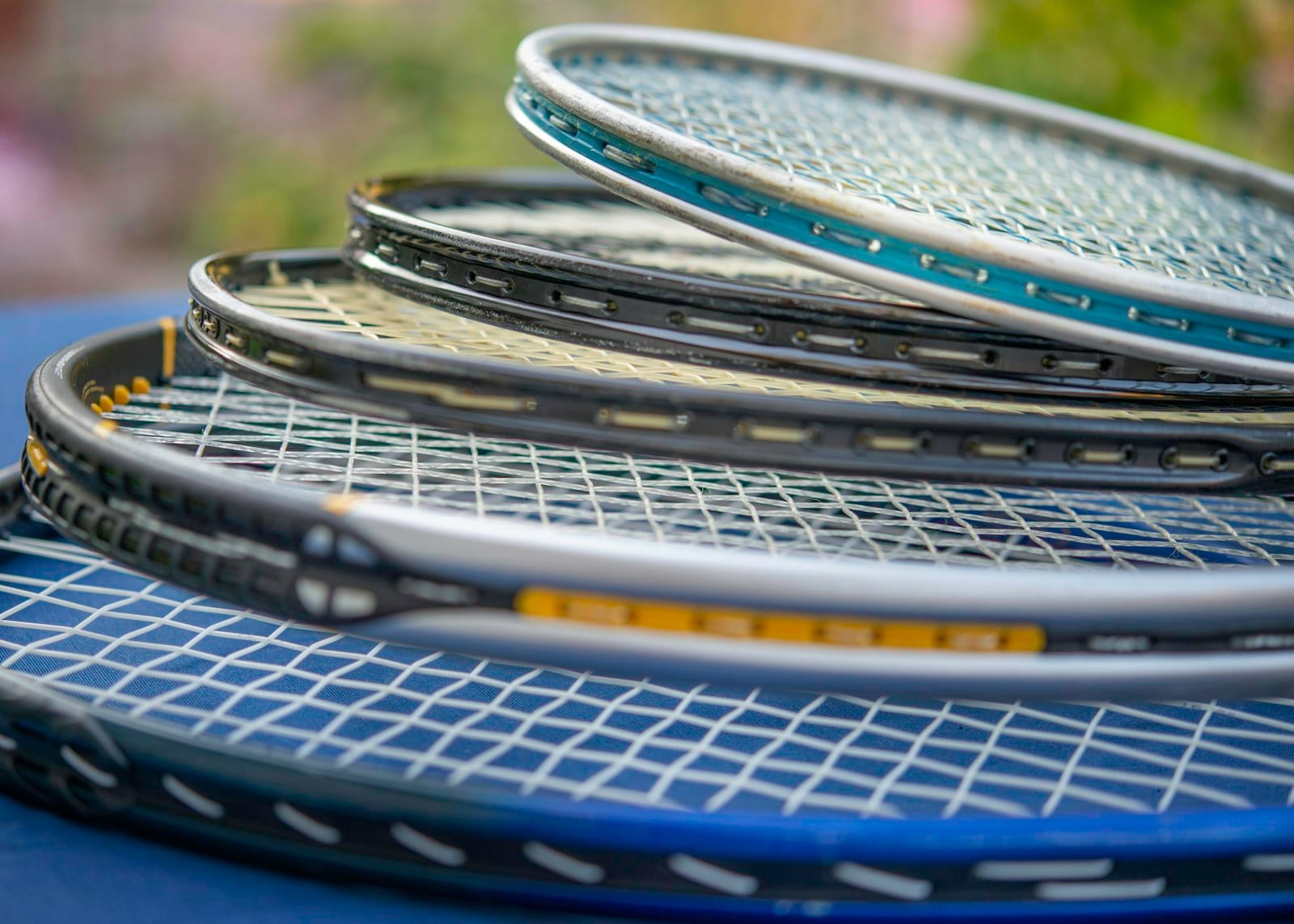
- Restring the racquet. Strings lose tension and liveliness over time even when unused, and dead strings send more shock into the arm. Ask for a softer multifilament or a hybrid at a couple of kilograms below what you used to play — your forearm is not the forearm it was.
- Add an overgrip. Old grips go slick and hard. A fresh overgrip costs a few dollars and stops you squeezing the handle, which is one of the habits behind tennis elbow.
- Wear tennis shoes, not running shoes. Running shoes are built for forward motion and offer little lateral support. Tennis is side-to-side, and a rolled ankle in week one ends the comeback. Shoe cushioning also degrades with age, so a pair from years ago may need replacing.
- Leave the balls to us. Every Tennis Machine SG rental includes 130+ pressureless balls, a transport cart and a ball picker, so there is nothing else to buy for a machine session.
Your First Three Sessions
Keep the first three sessions short, slow and predictable, and stop while it is still going well. The goal is to leave the court feeling you could have done more — that feeling is what keeps you healthy enough to come back on Thursday.
| Session | Machine settings | Hitting time | Focus |
|---|---|---|---|
| 1 | Slow speed, 6–8 second feed, oscillation off, light topspin | 25–30 minutes in 5-minute blocks | Clean contact out in front. Forehands, then backhands, to the middle of the court. |
| 2 | Same settings, feed down to 6 seconds | 30 minutes | Direction. Place a cone in each back corner and hit cross-court, then down the line. |
| 3 | Oscillation on, feed 6 seconds | 30–35 minutes | Easy movement. Recover to the centre mark between every ball. |
Some machines in the fleet also have a gentle beginner feed mode, which suits session one well — our machine guide explains where to find it. Leave at least two days between sessions in the first fortnight. Next-morning soreness in the legs is expected; a sore elbow or shoulder the next morning means the last session was too long.
A Six-Week Comeback Ramp
After the first three sessions, add hitting time by roughly ten percent a week and introduce one new demand at a time. The ramp below assumes two sessions a week and ends with your first sets against another player.
| Week | Hitting time per session | New element |
|---|---|---|
| 1–2 | 25–35 minutes | The three sessions above: contact, direction, easy movement |
| 3 | 35–40 minutes | Footwork: split-step before each ball, wider oscillation |
| 4 | 40 minutes | Serves: 30–40 at the end of the session, building to 50 |
| 5 | 40–45 minutes | One machine session plus one live hit with a partner or a social group |
| 6 | 45 minutes, or a set | First practice sets; keep one machine session for volume and confidence |
Weeks three and four draw on two of our other guides: the footwork drills with a ball machine for the split-step work, and how to practise your serve alone for the serve blocks — start at the low end of its serve counts. Once week six feels comfortable, the 4-week ball machine training plan is the natural next step.
The Injuries That Catch Returning Players
Returning players get hurt by overuse, not accidents. Four problems account for most interrupted comebacks, and each one has a cause you can control:
- Calf strain and Achilles irritation. Sudden push-offs on cold, deconditioned calves. A proper warm-up and easy movement in the first fortnight are the prevention.
- Tennis elbow. Lateral epicondylitis, an overload injury of the tendon on the outside of the elbow, driven by a jump in hitting volume and made worse by stiff strings and a small grip. Our guide to practising with tennis elbow covers arm-friendly settings in detail.
- Shoulder soreness. Almost always from serving too much, too soon. That is why serves wait until week four.
- Lower back stiffness. From rotating hard with a trunk that has not rotated under load in years. Trunk rotations in the warm-up and the off-court work below help.

This is training guidance, not medical advice. If you have a heart condition, high blood pressure, or have been largely inactive for a long time, speak to a doctor before returning to vigorous exercise. Pain that persists for more than a few days, or pain at rest, should be assessed by a doctor or physiotherapist rather than played through. Two short strength sessions a week away from the court also help a great deal; our guide to off-court conditioning for tennis players in Singapore sets them out with no gym required.
Singapore Specifics: Heat, Timing and Courts
In Singapore, heat is a second thing to rebuild alongside fitness. Tolerance to hot, humid conditions fades when you stop training in them and takes a week or two of regular exposure to return, so schedule your first sessions for the early morning or evening and drink before you are thirsty. Our guide to training in Singapore heat and humidity covers the best court windows and hydration in detail.
Book the court and the machine separately. Tennis Machine SG rents the machine and equipment only; public courts are booked through the ActiveSG app, and condominium or club courts through your own management or club. Secure the court first, then reserve a matching machine slot up to 14 days ahead. The locker's unlock button activates 30 minutes before your slot, which gives you time to walk the machine over and warm up properly before your court time starts.
When to Add a Coach or a Hitting Partner
Add live hitting from week five, and consider one or two lessons early if your strokes were never properly coached or you learned them a long time ago. Coaching has moved on — modern forehands use more open stances and more rotation than many returning players were taught — and a coach can spot in ten minutes what a machine session will only repeat. The machine then does what it is best at: giving you the hundreds of repetitions that make a change stick. Our comparison of ball machine practice and private lessons sets out how to combine the two on a budget.
Book Your First Session Back
The best comeback is the one you are still on in three months. Two short sessions a week, a patient ramp and a machine that feeds exactly the ball you ask for will get you there. Tennis Machine SG rents professional tennis ball machines 24/7 from a growing network of self-service smart lockers — the first is in Jurong, a short walk from ActiveSG Sport Village @ Jurong Town. One hour costs S$35 and two hours S$50, with a refundable S$200 deposit hold, and bookings can be rescheduled free up to 24 hours before the slot. See the full rental pricing, or review the machine features and settings before you book.
Frequently Asked Questions
How long does it take to get back into tennis after years away?
Adults returning to tennis after years away usually find their strokes feel familiar within three or four sessions, because well-learned motor skills are retained for a long time. Timing, footwork and match fitness take longer, and a realistic plan is about six weeks of two sessions a week before playing full sets. Tendon tolerance in the elbow, shoulder and calves is the slowest to rebuild, which is why hitting time should rise by no more than about ten percent a week.
Is a ball machine good for getting back into tennis?
A tennis ball machine suits a comeback because it delivers the same ball at a chosen speed and interval, so a returning player can rebuild timing without having to keep up with a hitting partner. Tennis Machine SG machines adjust from 15 to 110 km/h, and a sensible first-session setting is a slow speed, a 6 to 8 second feed and oscillation switched off. A one-hour Tennis Machine SG rental costs S$35, which comfortably covers a returner's first session including warm-up and rest.
What injuries are common when returning to tennis?
The most common problems for adults returning to tennis are overuse injuries rather than accidents: calf strains and Achilles irritation from sudden push-offs, tennis elbow (lateral epicondylitis, an overload injury of the forearm extensor tendon) from a jump in hitting volume, and shoulder soreness from serving. Most are avoided with a 10-minute dynamic warm-up and a gradual weekly increase in playing time. This is training guidance, not medical advice: anyone with a heart condition or who has been inactive for a long time should check with a doctor before resuming vigorous exercise, and pain that persists should be assessed by a doctor or physiotherapist.
Should I restring my old racquet before playing tennis again?
An old tennis racquet that has not been restrung for years should be restrung before a comeback, because strings lose tension and liveliness over time even when the racquet sits unused, and dead strings send more shock into the arm. Returning players are usually better served by a softer multifilament or hybrid string at a slightly lower tension than they used before. The racquet frame itself is generally fine to start with; replace it only once you are playing regularly and know what you want.
Is the tennis court included when renting a ball machine in Singapore?
The tennis court is not included when renting a ball machine from Tennis Machine SG. The rental covers the ball machine, 130 or more pressureless balls, a transport cart and a ball picker; the court is booked and paid for separately with whoever runs it, which for public courts means the ActiveSG app. Book the court first, then reserve a matching machine slot up to 14 days ahead at booking.tennismachine.com.sg.
Related Reading
Your Comeback Starts at 15 km/h
Slow feeds, the same ball every time, and no partner to keep up with. Book an hour from a smart locker at or near your court and find your timing again.